In the 1970s, a radical idea transformed emergency response. What if medics returning from Vietnam received advanced training to deliver life-saving care before patients reached the hospital? Within a decade, accident-related deaths dropped 40% and survival rates tripled for people in cardiac arrest.

Today, we face a similar crisis.

Major weather disasters now strike American communities on average every four days, in 2024 alone causing over $182 billion in damages and forcing 11 million people from their homes. Over 95% of Americans live in counties that have experienced a major disaster declaration in the last 15 years.

This isn’t a political issue. It’s about honoring the most basic rights of all Americans: protecting our lives, our livelihoods, and the communities we call home.

But there’s a silver lining. Most communities already have a latent workforce with many of the exact skills needed to plan for and recover from disaster. They’re your festival producers and venue operators. They’re the staff and volunteers running your neighborhood’s houses of worship and community centers. These are the people who safely manage crowds, coordinate logistics, and maintain community trust every day. Maybe you’re even one of them.

They just need that last mile of integrated training.

It's time to do for disaster readiness what paramedics did for emergency medicine: transform existing skills into life-saving capabilities & build a more resilient America together.

The Idea

The Evidence

Take Action

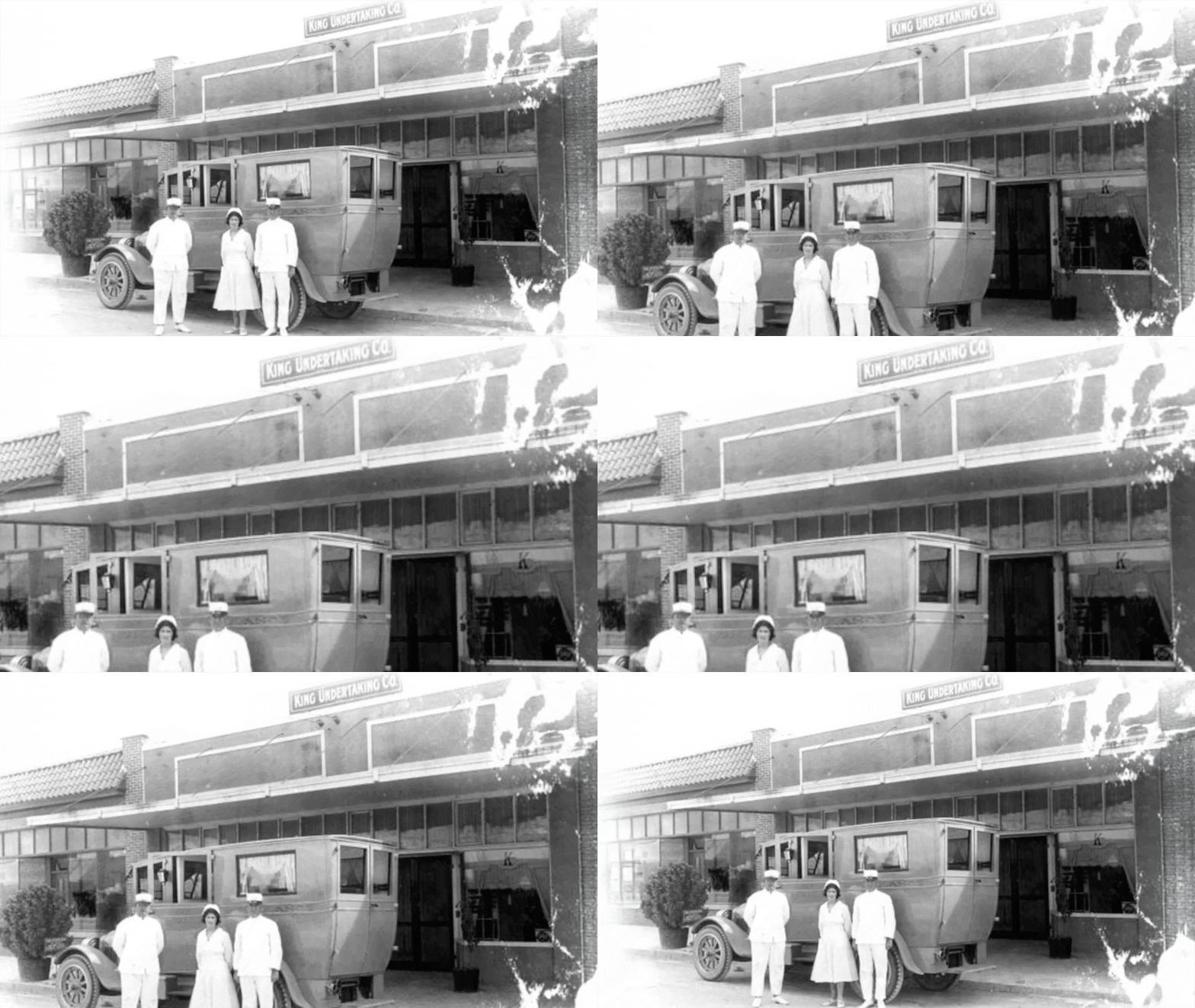
Until the 1960s, the hearse that took you out of the hospital might have been the same one that brought you there.

There’s a better way to be prepared.