Foundations Training in Event & Emergency Operations
April 18-19th, 2026
New Orleans, LA
When you want to see how the same playbook powers both celebration and crisis response, you start with festivals. And no city knows it better than New Orleans.
Here, what looks like pure celebration is also an operational blueprint. Major festivals are field labs for resilience: hundreds of thousands of people, complex routes, and layers of water, power, communications, and safety systems all working in sync. Look closer, and you see volunteers, vendors, neighbors, and institutions already practicing the coordination that emergency managers rely on when disaster strikes. The same infrastructure that keeps the music playing helps communities survive what comes next.
And this April, it becomes your classroom for a weekend, when Majestic Collaborations—together with the International Federation for Cultural Property Protection, local emergency management, and regional partners—opens festival infrastructure as a training ground for building community resilience through cultural operations.
No previous training or specific experience required. This training creates the shared situational awareness and operational bridges that connect the variety of professionals who make arts and culture happen, using frameworks that strengthen both daily operations and organizational disaster readiness.
One weekend. One extraordinary city as a classroom. Skills that are #ReadyWhen you need them most.
Festival Immersive Intensive
Saturday, April 18th, 1-5pm
Onsite at French Quarter Festival
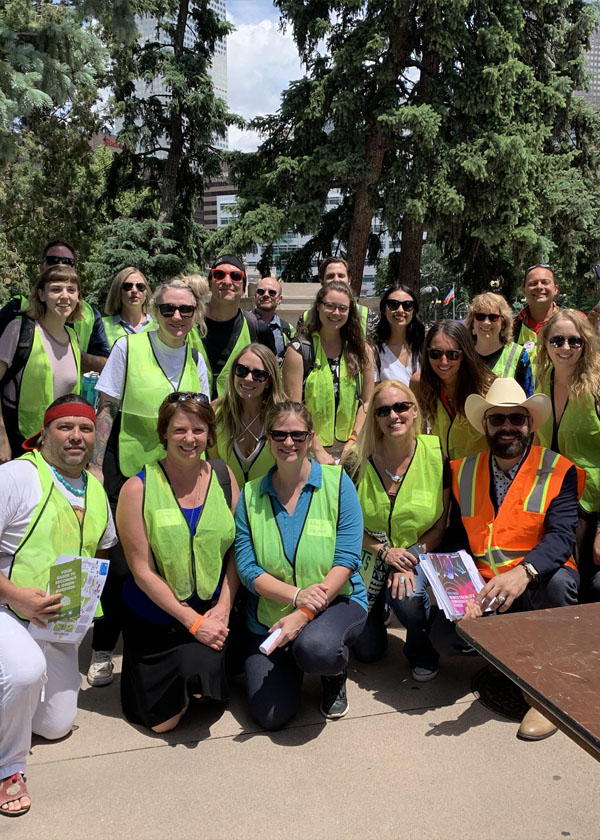
Experience one of the country’s most beloved festivals—and learn how it works from the inside out– in our Festival Immersive Intensive. We’ll spend the afternoon touring the French Quarter Festival in small groups, rotating through hands-on demos, conversations with professionals, and interactive learning activities—all while enjoying the incredible food, music, and atmosphere of this quintessentially New Orleans celebration.
Register for the IFCPP pre-conference. After entering your email address on the form, you’ll have the option to select Saturday, Sunday, or both days.
Event & Emergency Operations Bootcamp
Sunday, April 19th, 9am – 4pm
Higgins Hotel, New Orleans, LA
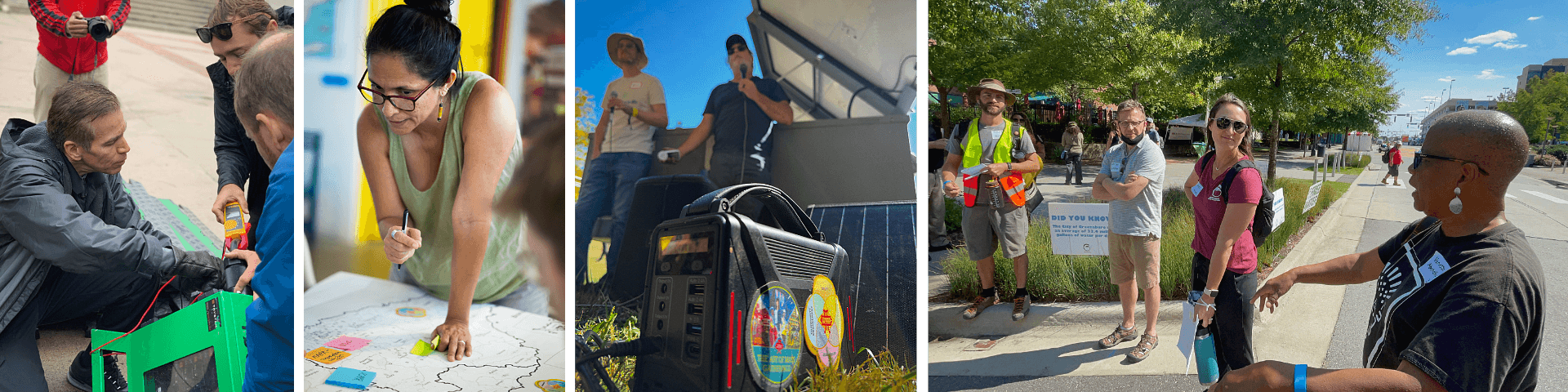
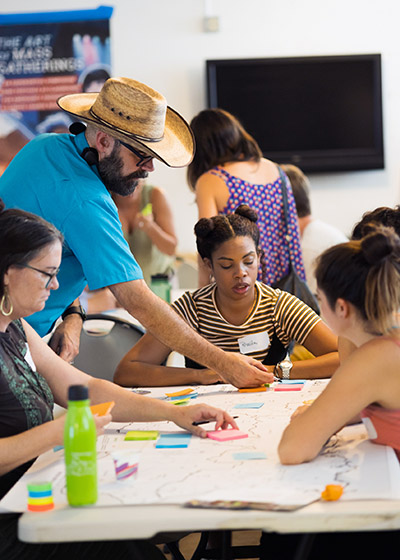
Build real-world skills in the Events & Emergency Operations Bootcamp, a full-day training targeted to hone the operational capacities that overlap most directly between event production and emergency readiness. This training unfolds on the campus of The National WWII Museum, one of the country’s most important cultural institutions. Whether you’re strengthening organizational operations, positioning venues as community resilience hubs, or building practical skills to support your community through disruption, you’ll gain hands-on experience through interactive training and scenario-based exercises
- Assess and improve event and venue safety, accessibility, sustainability, and community engagement through validated resilience frameworks
- Gain hands-on skills and learn basic rules of thumb for supporting critical operational systems, including food and water, power, radio, and audio equipment
- Design effective, accessible communications and briefings for diverse audiences
- Learn tactical strategies for venues to be prepared for civil unrest
After entering your e-mail address, you’ll see an option to register exclusively for the pre-conference (Saturday and Sunday) trainings.