New Orleans Foundations Training
Sunday Event & Emergency Operations Bootcamp
Sunday
4/19
Build real-world skills in the Events & Emergency Operations Bootcamp, a full-day training targeted to hone the operational capacities that overlap most directly between event production and emergency readiness. This training unfolds at the Higgins Hotel and The National WWII Museum, one of the country’s most important cultural institutions and the most visited destination in New Orleans. Whether you’re strengthening organizational operations, positioning venues as community resilience hubs, or building practical skills to support your community through disruption, you’ll gain hands-on experience through interactive training and scenario-based exercises.
Check-in opens at 8:30am in the Casablancas room, with the program starting promptly at 9:00am. We’ll provide coffee!
Welcome Orientation
9:00 am
Higgins Hotel
Casablancas Room
We’ll get settled into the space, walk through basic housekeeping and orientation on the grounds of our fantastic host campus of the Higgins Hotel and National WWII Museum, and introduce the learning arc for our training day together.
Event & Emergency Resilience: An Operational Framework
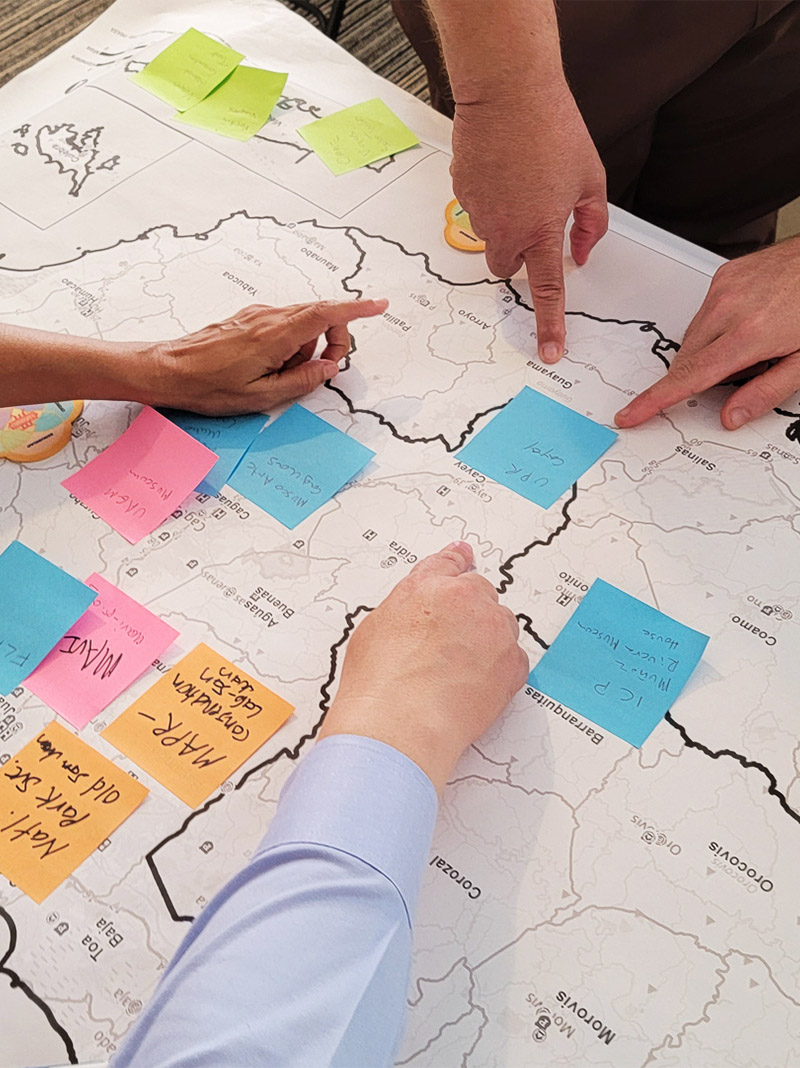
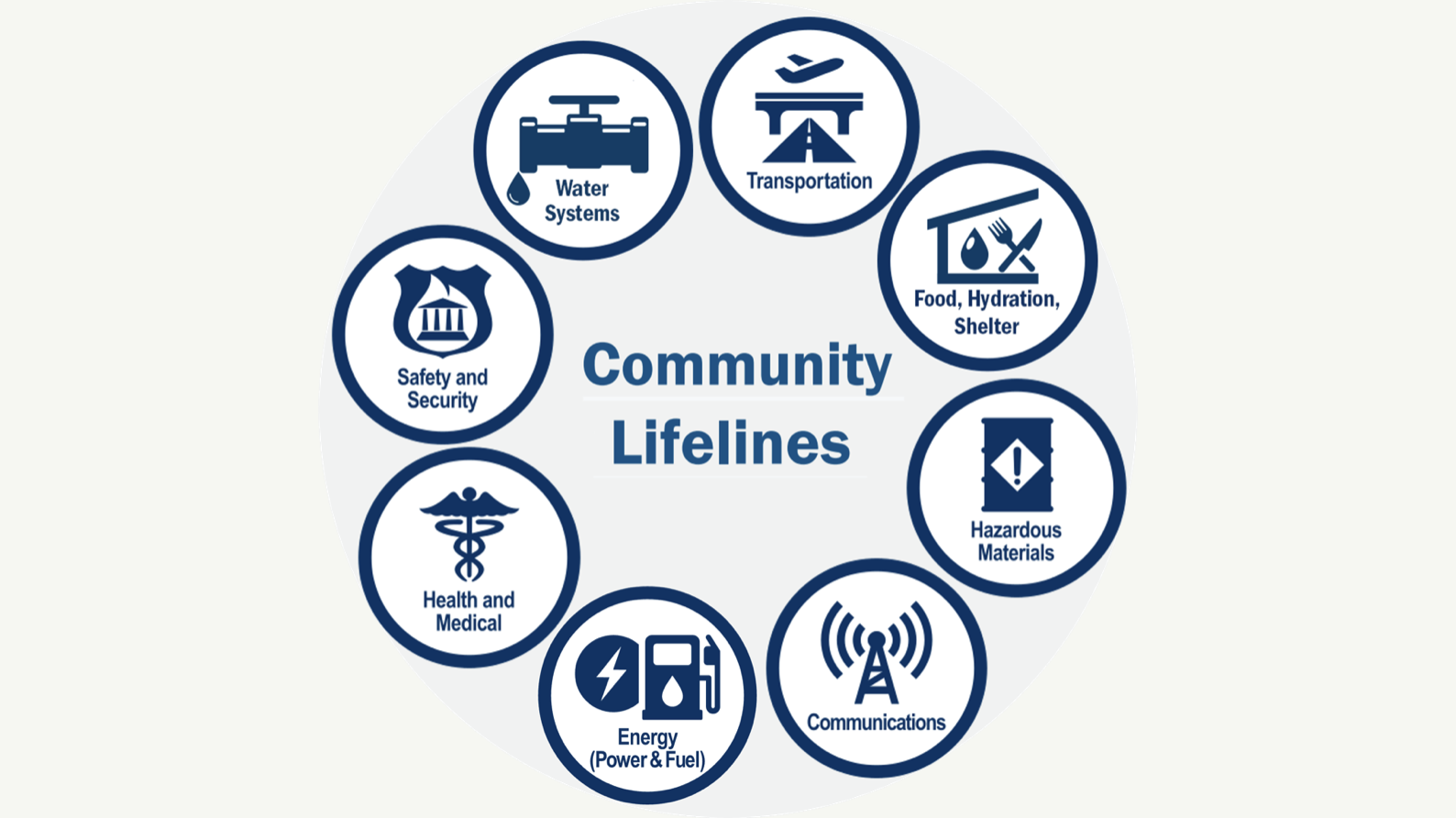
This session establishes the foundational insight that event operations & emergency response utilize identical infrastructure and skills, deployed under different circumstances. Participants will learn to apply the four pillars of event resilience to their planning and explore the value of mapping existing emergency management frameworks to organizational operations. By the end of the session, participants will be able to assess their organization’s existing event operations using the four pillars framework and begin identifying where their operations already or could function as emergency response infrastructure.
Events as Cross-Sector Catalysts for Disaster Readiness
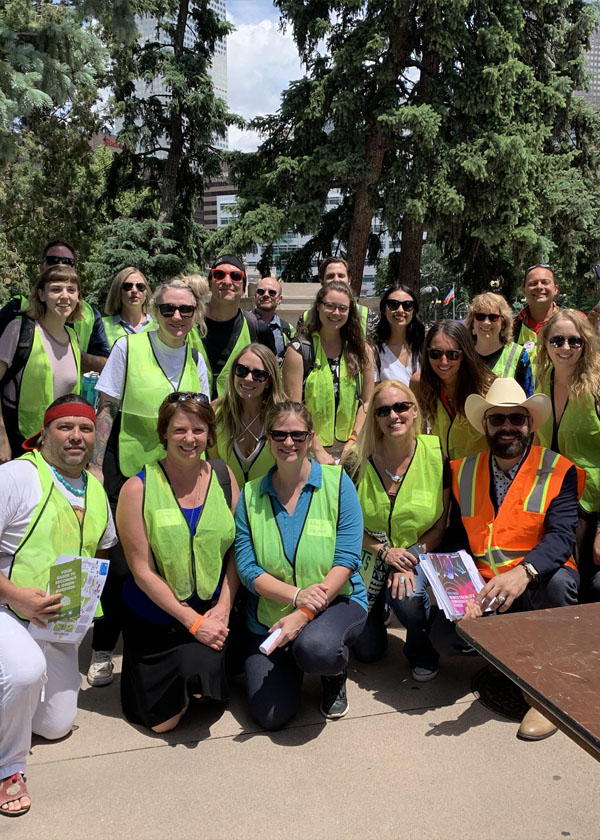
This panel brings together practitioners who have managed real events and emergencies at scale — from citywide disaster response and active-threat incidents to the daily security calculus of venues hosting tens of thousands of visitors to coordinating planning for Mardi Gras and hundreds of other events every year. Panelists will draw on that operational depth to discuss where event infrastructure and emergency response already converge in practice, what the last two decades of hard lessons in New Orleans reveal about preparedness, and where they see the greatest untapped potential for cultural venues and emergency management to work from shared systems.
Jon Barnwell — Associate Vice President of Safety & Security, The National WWII Museum, host of the IFCPP 2026 Conference
Joseph Frank — Chief of Public Safety, Caesars Superdome and Smoothie King Center
Richard Chatman — Deputy Director of the New Orleans Office of Coordination and Emergency Management (NOCEM)
Operational Systems Hands-On
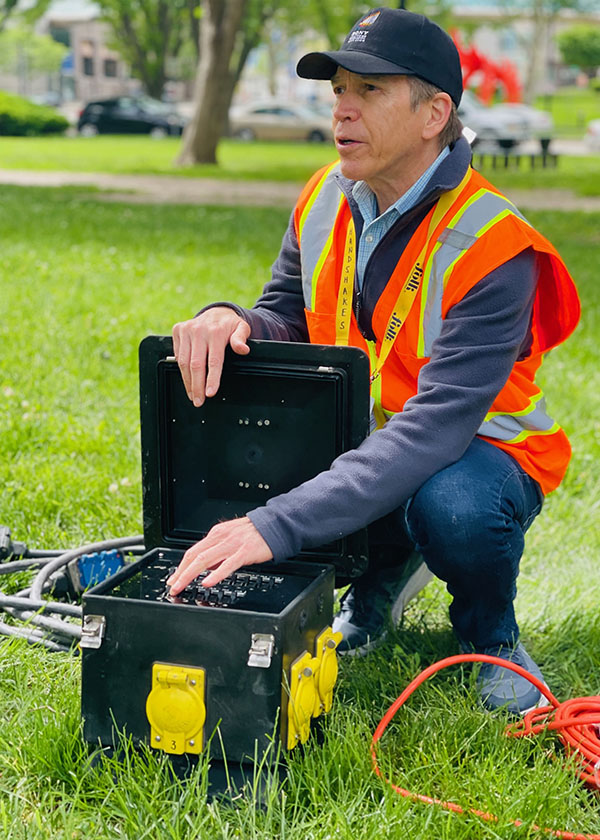
This session provides hands-on training in four operational systems critical in both events and emergencies: power, radio, audio/PA, and food, water & sanitation. Rotating through stations in groups, participants will learn to operate essential equipment and recognize when to coordinate with specialists versus make informed decisions independently. By the end of the session, participants will be able to perform basic capacity calculations for water and power systems, operate radio and PA equipment using proper protocols, and assess operational decisions through the four pillars framework.
Food, water and sanitation
Basic rules of thumb and safety considerations for providing food, water, and sanitation services including during times of potential disruption
Radio operation & coordination
Operate radio equipment using proper protocols and discipline, and understand the basics of other useful internal communication protocols including text/phone trees
Audio & PA
Preventing feedback, rule of thumb for coverage area, basic microphone and PA operation; accessibility considerations for audio communications
Power systems
Battery capacity, generator sizing, basic electrical safety; what powers what; calculating event and emergency power needs
12:30 – 1:15 PM | Lunch
ReadyWhen Pop Quiz
1:15 pm
Higgins Hotel
Casablancas Room
Put your knowledge from this morning to the test! There’s also time for questions before we dive into our afternoon sessions.
Mapping your readiness ecosystem
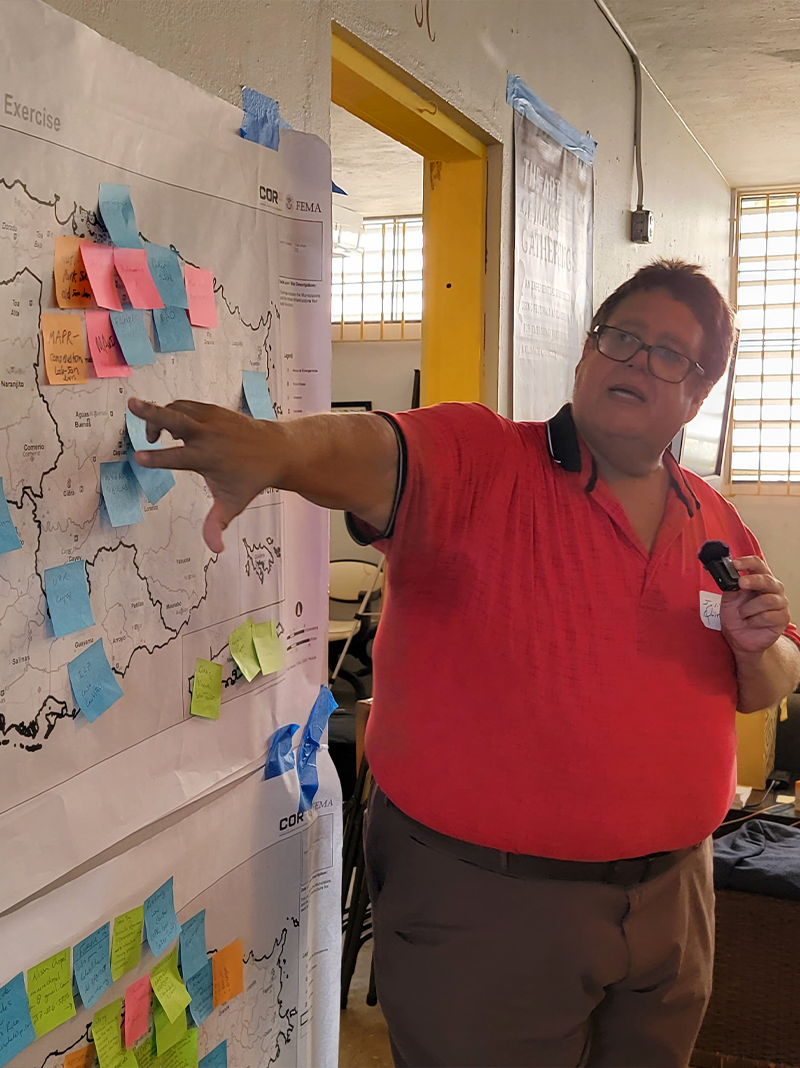
The resources, partners, and collaborators that could strengthen your organization’s readiness for both event operations and emergency scenarios are often already around you. This session introduces asset-based network mapping as a practical tool for reframing relationships you already have and identifying opportunities to build new ones.
We’ll kick off by hearing from practitioners whose work is already situated within a longer horizon, planning for legacy, continuity, and stewardship in ways that require thinking beyond their own organization. Participants will then begin mapping their own stakeholder ecosystem from the perspective of the four pillars of mass gathering resilience, shifting from an organizational view to an ecosystem-level perspective to start to build a clearer picture of who’s in their network, who should be, and how to make those relationships legible across their team and to outside partners.
Calm and clear communications
2:20 pm
Higgins Hotel
Casablancas Room
This session builds competency in communication protocols and strategic message design across operational contexts—from routine staff briefings to crisis communications. Participants will learn to distinguish between internal and external communication needs, design accessible communications for diverse audiences, structure effective briefings adapted to different contexts, and apply ICS communication principles to emergency action plans. By the end of the session, participants will be able to deliver a clear pre-event staff briefing and evaluate emergency communication protocols for accessibility and strategic effectiveness.
Ingress, Egress & Access
3:00 pm
The National WWII Museum
945 Magazine Street
How people enter, move through, and exit a building isn’t just a user experience question, it’s a life-safety question. This expeditionary tour of the National WWII Museum examines key pressure points up close where questions of safety, accessibility, and guest experience intersect: screening protocols and security infrastructure at the main entrance, the Voice of God PA system and other emergency communications tools, back-of-house systems that keep operations running under stress, and accessibility features that shape how a facility functions across normal operations, emergency evacuation, and beyond.
Jon Barnwell — Associate Vice President of Safety & Security, The National WWII Museum; Host of the IFCPP 2026 Conference
Norris Yarbrough — Senior Security Manager, Armed Division, WWII Museum
ReadyWhen Wrap-Up
3:50 pm
The National WWII Museum
945 Magazine Street
We’ll close out the day with a quick reflection, giving an opportunity to crystallize our insights from the day and our next steps to keep the momentum moving forward! We’ll also briefly cover logistics for participants who’d like to test out for their formal ReadyWhen certificate.
One weekend. One extraordinary city as a classroom. Skills that are #ReadyWhen you need them most.


This training aligns with #ReadyWhen, a project of Majestic Collaborations in collaboration with Performing Arts Readiness. It brings the best of what we’ve learned from over a decade in the field directly to arts and cultural spaces to help them strengthen their resilience through community disaster readiness.
The New Orleans program is made possible thanks to the support of the International Foundation for Cultural Property Protection, the National WWII Museum, and local partners.